Author name: AdminWebsiteGC

Visioning Indonesia’s commitment to sustainable infrastructure through global collaboration at the Osaka Expo 2025

At the Osaka Expo 2025, Indonesia showcased its vision for sustainable and inclusive infrastructure development. Through the PPP Business Forum, we highlighted innovative financing strategies and global partnerships to unlock future opportunities.

A Glimpse into Indonesia’s Vision for Sustainable Infrastructure at the Osaka Expo 2025

[caption id="attachment_4154" align="aligncenter" width="300"] Photo Source: Global Challenge 2025[/caption]
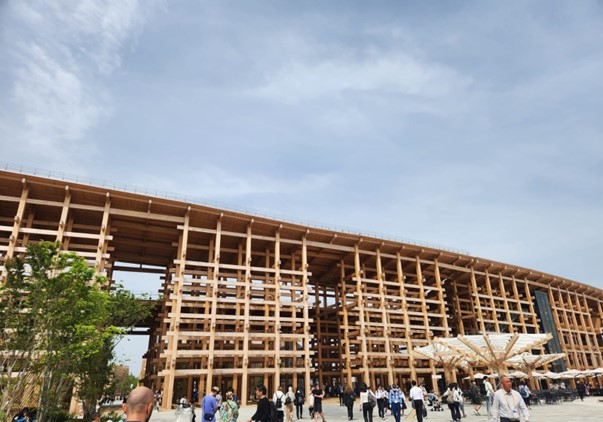
On May 19th 2025 in Osaka, I had the privilege of attending the PPP Business Forum at the Indonesian Pavilion, part of the World Expo 2025 Osaka, held on Yumeshima Island. Arriving early at Yumeshima Station around 9 AM, I was impressed by the calm orderliness despite the growing crowds. The end-of-spring breeze and Japan’s meticulous crowd management set the tone for what would be an inspiring day.

As soon as I enter, I was welcomed by the majestic sight of the Expo’s signature giant ring structure, a symbol of unity and innovation. Entering the Indonesian Pavilion, I was struck by its seamless fusion of modern architecture and traditional Indonesian motifs — a perfect backdrop for the day’s theme: “Innovative Financing: Unlocking Opportunities for Sustainable Development.

[caption id="attachment_4155" align="aligncenter" width="300"] Photo Source: Bappenas 2025[/caption]
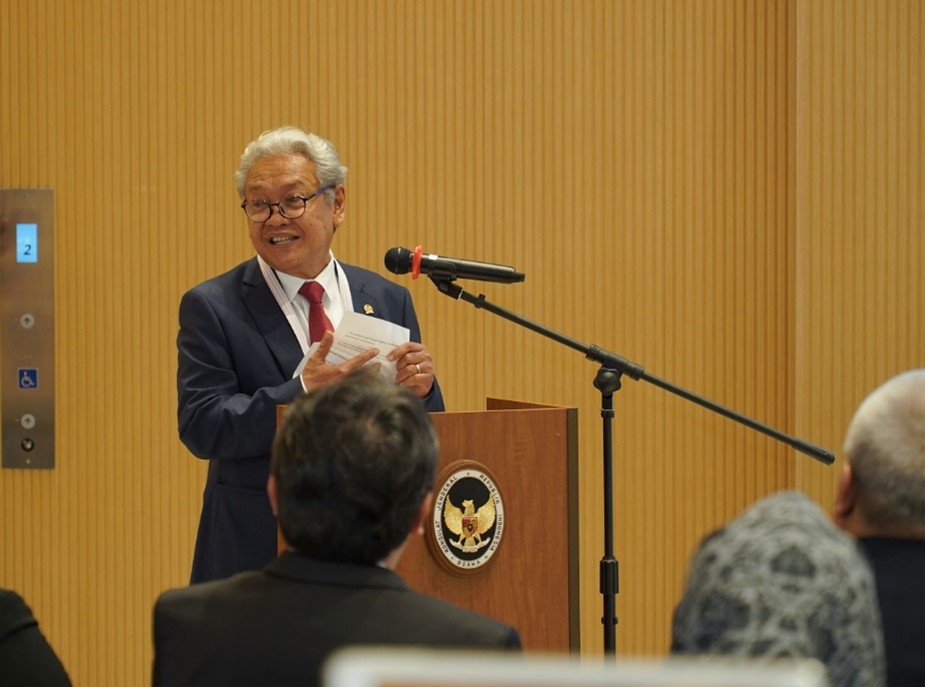
Opening the forum, Ambassador of the Republic of Indonesia to Japan, Heri Akhmadi, emphasized the importance of deepening collaboration between Indonesia and Japan to unlock green infrastructure financing. “We need global partnerships, fresh financing ideas, and smarter ways to act on them,” he said. “Japan is one of our most trusted long-term partners.” The forum brought together policymakers, development financiers, and international partners to explore collaborative approaches for resilient, inclusive, and sustainable infrastructure development.

The Indonesian government, through Bappenas, PT SMI, and PT PII, emphasized that achieving 8% national economic growth as targeted in the 2025–2029 RPJMN will require infrastructure investment of over Rp 10,303 trillion. This demand necessitates innovative financing mechanisms that go beyond public budgets. To support this, the government has put in place several instruments to strengthen Public-Private Partnerships (PPPs), including the Project Development Facility (PDF) which provides advisory support and capacity building to Contracting Agencies, the Viability Gap Fund (VGF) to improve commercial feasibility of critical projects, Infrastructure Government Guarantees to mitigate risks and enhance investor confidence, and the Availability Payment scheme, enabling PPPs in sectors with limited revenue streams. Deputy of Development Funding and Investment, Putut Hari Satyaka highlighted the importance of building ecosystems, not just projects, citing creative local government initiatives like land value capture and green bonds as examples of bottom-up innovation that complement national strategies.

From the fiscal side, the Ministry of Finance underscored the importance of embedding ESG (Environmental, Social, Governance) principles into publicly supported projects. This aligns with investor expectations, especially from Japan, where impact and transparency are key. PT SMI shared their experience managing SDG Indonesia One, a platform connecting feasible projects with green investors, while PT PII emphasized the role of government guarantees not only as a risk-mitigation tool but also as a commitment signal to private investors.

[caption id="attachment_4156" align="aligncenter" width="300"] Photo Source: Global Challenge, 2025[/caption]

The session concluded with one-on-one meetings between Indonesian institutions and Japanese stakeholders, paving the way for future collaboration in sectors like healthcare, clean water, and renewable energy. MUFG Bank, a key Japanese player in ESG finance, reaffirmed that Indonesian projects hold great potential — as long as they are financially sound, impactful, and globally aligned.

Based on my experience, it was clear that The Expo wasn’t just about ideas — it was about building real pathways to a greener, more inclusive future. And to me the Indonesian Pavilion made a strong statement: Indonesia is open for sustainable development.


Written by:

Febri Trivitas
Visioning Indonesia’s commitment to sustainable infrastructure through global collaboration at the Osaka Expo 2025 Read More »

Showcasing Indonesia’s Progress in PPP Project Development: Highlights from the PPP Market Engagement Event

The Ministry of National Development Planning (Bappenas), in collaboration with the Asian Development Bank (ADB) and the Sustainable Infrastructure Foundation (SIF), has taken a significant step in advancing Public-Private Partnership (PPP) project management in Indonesia. Together with the Indonesian Public-Private Partnership Joint Office (PPP-JO), they have successfully integrated the SOURCE PPP Project Platform with Indonesia’s regulatory framework. This initiative aims to enhance the country’s PPP ecosystem by establishing a comprehensive database of PPP projects and providing a robust project preparation support tool.

The SOURCE platform has been meticulously tailored to comply with Indonesian PPP regulations. Training sessions have been conducted for Government Contracting Agencies (GCAs) and PPP-JO members, ensuring they are well-equipped to utilize the platform effectively. Additionally, extensive coordination with key stakeholders—including the Ministry of Communication and Information Technology (MOCIT), the National Cyber and Crypto Agency (BSSN), the Ministry of State Apparatus Utilization and Bureaucratic Reform (PANRB), and the National Research and Innovation Agency (BRIN)—has ensured alignment with Indonesia’s e-government application regulations.

On November 12th, 2024, Bappenas hosted the PPP Market Engagement event at The Ritz-Carlton Hotel Jakarta. This high-profile gathering brought together GCAs, potential investors, private sector representatives, and financing institutions, including ADB. The event served as a dynamic matchmaking platform, fostering connections between Indonesia’s PPP projects and potential investors.
A highlight of the event was the official presentation of the SOURCE platform. Bappenas announced that SOURCE will serve as a pivotal database and monitoring-evaluation tool for PPP project preparation, underscoring its vital role in enhancing project transparency and efficiency.
The event was inaugurated by Mr. Kurniawan Ariadi, SIP., M.Com, Acting Director of Development Funding at Bappenas, who emphasized the importance of robust tools like SOURCE in driving PPP project success. A notable contribution came from Global Challenge’s Director, Mr. Febri Trivitas, who delivered a comprehensive presentation on the integration of SOURCE with Indonesia’s PPP framework. His insights highlighted the platform’s potential to transform how PPP projects are managed and monitored in the country.
The PPP Market Engagement event marked a milestone in Indonesia’s journey toward sustainable and well-structured infrastructure development. By leveraging innovative platforms like SOURCE and fostering collaboration among stakeholders, Indonesia continues to position itself as a leader in PPP project execution in the region.

Showcasing Indonesia’s Progress in PPP Project Development: Highlights from the PPP Market Engagement Event Read More »

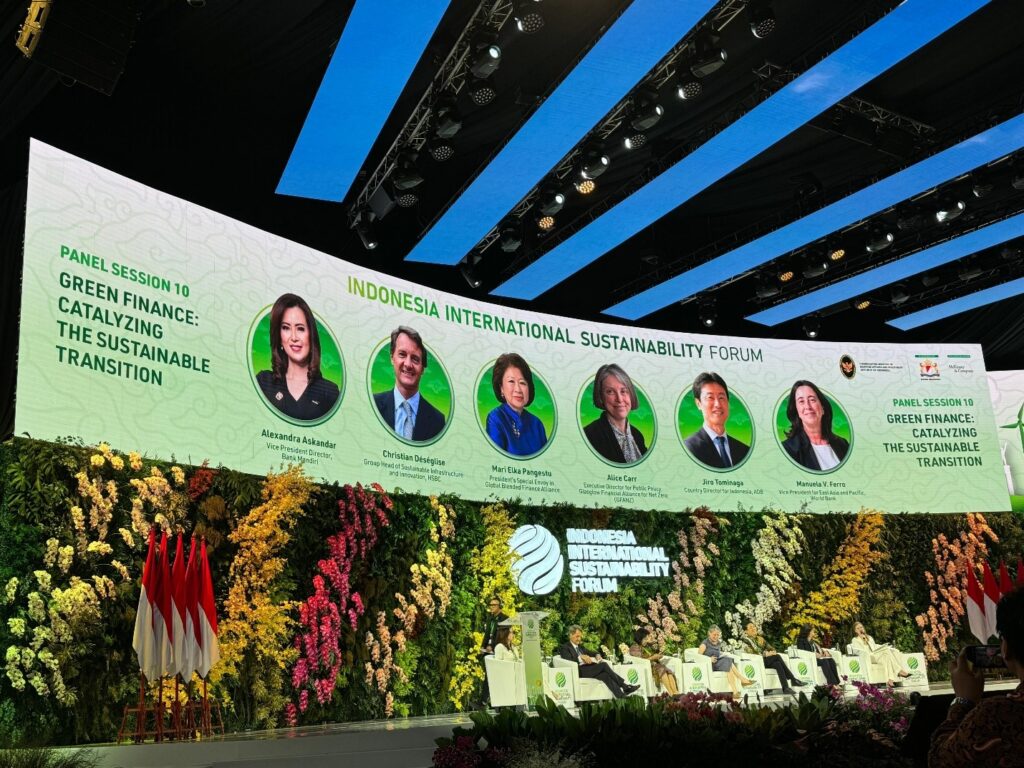
Insights from ISF 2024: Key Agendas and Highlights

The 2024 International Sustainability Forum (ISF) proved to be a landmark event, bringing together global leaders, experts, and stakeholders to address critical sustainability challenges. Indonesia was prominently represented, with key ministers in attendance, underscoring the nation’s commitment to achieving its sustainable development goals (SDGs). Below is an overview of the most impactful sessions and takeaways from this prestigious two-day event.


Day 1: Agendas and Key Takeaways

New Energy Sources

On the first day, PT Pertamina highlighted the vast potential of geothermal energy in Indonesia, which possesses the world’s second-largest geothermal capacity at 24 GW (17% of the global total). The session emphasized several key initiatives to harness this potential effectively. These included mitigating exploration risks by addressing sub-surface challenges and high initial capital requirements. Additionally, the discussion focused on reducing project completion times, which currently average 7–8 years post-final investment decision (FID). Pertamina also explored ways to accelerate innovation by tackling regulatory hurdles and diversifying into local manufacturing and green ventures to stimulate economic growth.


Industrial Energy Efficiency and Digitalization

The International Energy Agency (IEA) led a session on strategies for improving energy efficiency in industrial sectors, which are ASEAN’s largest energy consumer and a critical focus for decarbonization. The IEA outlined regulatory measures such as Minimum Energy Performance Standards (MEPS), mandatory energy audits, and comprehensive reporting systems. To encourage compliance, they proposed incentives like tax benefits, subsidized audits, and preferential financing. Empowering Energy Service Companies (ESCOs) was also highlighted as a key approach to integrating digital technologies for benchmarking and efficiency improvements.


Accelerating Electric Vehicle Infrastructure and Hydrogen Solutions

PT PLN shared its ambitious plans for expanding Indonesia’s electric vehicle (EV) infrastructure and pioneering hydrogen solutions. Key points included the development of accessible and affordable EV charging stations, alongside enhancing user experiences via the PLN Mobile app. The session also delved into scaling up green hydrogen production, targeting 203 tons per year from 22 hydrogen plants across the country. PLN underscored its commitment to phasing out fossil fuels and exploring hydrogen export opportunities as part of Indonesia’s broader decarbonization strategy.


Day 2: Agendas and Key Takeaways

Financing Energy Transition

On the second day, the Indonesia Energy Transition Implementation (IET) Joint Office presented innovative financial strategies for supporting Indonesia’s energy transition. The session emphasized the importance of strengthening regulatory frameworks to attract Public-Private Partnerships (PPPs). Diversifying funding sources through blended finance mechanisms and thematic bonds was also discussed, along with leveraging carbon taxes and markets to stimulate investment in sustainable projects.


Decarbonization Opportunities in ASEAN

Finance Minister Sri Mulyani Indrawati delivered a compelling presentation on Indonesia’s financial roadmap for meeting its Nationally Determined Contributions (NDCs). She noted that the energy sector alone requires IDR 3,500 trillion (USD 245.99 billion) by 2030 to achieve these goals. The Minister outlined strategies for utilizing domestic resources, including the national budget (APBN), carbon trading, and private investments. International financing, such as bilateral agreements, multilateral institutions, and green bonds, was also highlighted as critical to bridging the funding gap.


Unlocking Southeast Asia’s Green Economy

The session organized by Standard Chartered focused on addressing the USD 1.5 trillion investment gap in Southeast Asia’s green economy. Speakers discussed the need for expanding government-backed financial support and encouraging corporate investments through innovative financing models. Regional collaboration was also emphasized, with a call for launching pilot projects to demonstrate the feasibility and scalability of green initiatives.


Conclusion

The ISF 2024 offered profound insights and actionable strategies to propel Indonesia’s sustainable development ambitions. Key themes included the significance of public-private collaboration, the importance of innovative financing models, and the urgent need to adopt advanced technologies. These takeaways can serve as a foundation for shaping policies and driving impactful projects, ensuring Indonesia’s leadership in the global sustainability movement.

Insights from ISF 2024: Key Agendas and Highlights Read More »

Scroll to Top